
Planning Your Dream Home Renovation: Essential Considerations
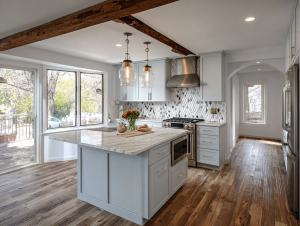 Embarking on a home renovation journey is an exciting prospect, transforming your living space to better suit your needs or increase its value. However, it’s also a significant undertaking that requires careful planning to ensure a smooth, successful, and stress-free process. To help you navigate this major project, here are some of the main considerations when planning a home renovation:
1. Define Your Vision and Goals
Before anything else, it’s crucial to clarify what you want to achieve with your renovation. Are you looking to create a space for your family to enjoy for years, or is the primary goal to increase your home’s real estate value? Sketch out your vision and prioritize your wants and needs. Researching your neighborhood can help determine which projects offer the best return on investment. Once you pick your projects, stick to them to avoid busting your budget.
2. Set a Realistic Budget (and a Contingency Fund!)
A well-defined budget is paramount for any large renovation. It’s best practice to set aside a contingency fund for unplanned repairs and unexpected costs, and expect to use it. This fund helps you address unforeseen issues, such as discovering hidden water damage or structural problems behind walls, which are common in older homes. Remember to also account for indirect costs, like dining out more or staying in a hotel if you can’t live in your home during parts of the renovation.
The typical cost to renovate a home is around $10–$60 per square foot, with common projects like kitchens averaging $26,290, bathrooms $11,480, and basements $21,853. It’s recommended to save up and pay with cash rather than risking your home by using financing or a Home Equity Line of Credit (HELOC).
3. Research and Understand the Renovation Process
Especially if this is your first time, do your research to understand what you’re getting into. Talk to friends and family who have completed renovations to learn from their experiences. Read up on best practices and tips. While your contractor will be a resource, having a solid grasp of the process beforehand is beneficial. This preparation also helps you mentally prepare for the disruption, mess, and lack of privacy that come with renovations.
4. Hire a Reputable and Experienced Contractor
 Choosing the right contractor is one of the most critical steps. Do not simply go with the cheapest quote, as a significantly low bid might indicate lower quality materials, less experienced sub-trades, or excluded costs like permits and debris removal. It could also be a sign of a fraudulent contractor if they offer discounts for cash payments or won’t provide receipts.
Here’s what to look for and discuss:
- Check reviews and obtain references: Don’t just rely on online reviews or three references. Mike Holmes recommends obtaining at least 10–20 references and checking their work from five or ten years ago, not just current projects. Word-of-mouth recommendations from local groups can be a good starting point.
- Schedule consultations: Discuss your project and ask questions. A great contractor might offer possibilities you hadn’t considered and solutions to issues within your budget.
- Ensure they are licensed and insured: Ask for proof of licensure, insurance, and bonding to protect yourself from liability and ensure the work is done by qualified professionals.
- Prioritize communication and transparency: A good contractor should be a partner who is upfront about challenges, costs, and timelines. Establish clear communication methods (phone, text, email) and frequency (daily, weekly check-ins).
- Detailed bids/quotes: Request long, detailed quotes that specify all materials by brand, model, and finish, and cover all work line-by-line. Be wary of contractors who estimate for free without putting in full effort, as wide variances in bids often mean contractors aren’t pricing the exact same job. Some contractors may charge a fee for a detailed estimate or feasibility study, which can be worthwhile as it shows their understanding of the scope and cost breakdown.
For complex projects like bathroom or kitchen remodels requiring multiple trades (plumbing, electrical, tile), consider a general contractor (GC) experienced in full remodels or a design-build firm. A reputable GC or design-build firm often has established teams and can coordinate smoothly. Design-build firms may also offer a dedicated project manager who handles timelines, vendor relationships, safety, site prep, and client communication, reducing homeowner stress.
5. Understand Neighborhood Bylaws and Permitting
Home renovation permits are a critical step to ensure legal compliance, safety, and to maintain your home’s value. Any project involving major structural changes, electrical, plumbing, HVAC updates, or significant exterior work will likely require permits.
As the homeowner, it’s your responsibility to ensure permits are pulled. While a reputable contractor should handle the process of obtaining proper building permits, it’s essential to confirm they do so. Ignoring permits can lead to being forced to tear down and rebuild, which is expensive. Remember that building permits are separate from electrical permits, so ensure all necessary permits for your job are filed. Start the permit process early, as it can take weeks or months.
6. Set a Realistic Timeline and Expect Delays
Major renovation projects take time. A major home renovation can take anywhere from nine to twelve months. Kitchen renovations typically take six to twelve weeks, while master bathrooms can take three to ten weeks. Finishing a basement often takes one to two months, and additions can take three to five months.
When planning your timeline, consider upcoming holidays or events. Plan backward from your desired end date, being realistic and adding extra time for potential delays or additional repairs. Delays can occur due to unexpected issues found behind walls (like leaks or structural damage), material delivery delays, or if your contractor is managing multiple projects simultaneously. Don’t rush your renovation, as proper preparation leads to smoother and more efficient completion.
7. Prepare for Life During Renovation
Renovations are often uncomfortable, bringing loud noises, dust, and general disruption. Mentally prepare for the mess and accept that things will feel “out of sorts”.
- Pack up and declutter: This protects your possessions and allows your team to work efficiently. For whole-home renovations, consider offsite storage.
- Protect kids and pets: Construction sites can be dangerous for children and pets. Install gates for adventurous toddlers and consider a pet sitter for longer projects.
- Cover everything: Dust from drywall and other construction materials gets everywhere. Cover remaining furniture and items with plastic, ensuring it’s taped securely to minimize dust transfer.
- Designate a renovation-free zone: Create a peaceful escape for your family.
- Keep the job site clean: This is important for safety and efficiency. You can also do a quick daily vacuum or dust to help manage the spread of dust.
8. Prioritize Structure Over Aesthetics
It’s tempting to focus on a new kitchen or bathroom’s aesthetic appeal, but always address structural problems first. This includes issues with the roof, foundation, windows, and doors. Ignoring problems like an inadequate exhaust fan, water damage, or mold will simply cover up issues that can morph into bigger, more expensive problems later. A home inspection before renovating is highly recommended to understand your house’s condition and where to spend your money wisely.
9. Get Everything in Writing
A detailed, written contract is essential for any renovation, even small jobs. The contract should clearly outline:
- Scope of work: Every detail of the services, including demolition, construction specifications, materials, tools, necessary permits, and debris disposal.
- Job description: Clearly states who is responsible for what (e.g., homeowner provides payment and access, contractor provides tools, materials, expertise).
- Floor plans: Include 2D or 3D renderings to ensure accuracy.
- Selection sheet: Defines specific materials, colors, types, brands, and amounts, shifting responsibility for correct orders to the contractor.
- Material storage: Specifies where materials will be stored (on-site or off-site) and includes proof of purchase, a log, and storage insurance for off-site storage.
- Start and completion dates: Clearly outlined, with clauses for penalties if completion dates are missed.
- Payment schedule and terms: Details down payments (e.g., California law limits to 10% or $1,000) and milestone-based payments. Retain a portion (at least 10%) until the job is satisfactory.
- Change order procedure: A defined process for any changes or additions to the project scope, requiring written sign-off from both parties.
- Warranty: Outlines what the contractor will do if poor work or shoddy materials are used and for how long you are covered.
- Termination clause: Reasons for either party to leave the job without penalty.
- Job site cleanup: Clarifies when and what the cleanup will entail.
Have a legal representative review your contract, and trust your instincts—if it doesn’t feel right, it probably isn’t.
10. Consider the Age of Your Home and Energy Efficiency
 Older homes often come with hidden challenges. Homes built before 1940 may have knob-and-tube wiring, requiring inspection by a Licensed Electrical Contractor (LEC). Properties built before 1980 likely contain asbestos and lead paint, which, when disturbed during renovation, require professional remediation.
Additionally, consider incorporating energy-efficient features like improved insulation, energy-efficient appliances, or eco-friendly building practices. These not only reduce your carbon footprint but can also lower energy costs long-term.
By thoroughly considering these key aspects during your planning phase, you can mitigate risks, manage expectations, and move confidently towards a successful home renovation that brings your vision to life!