
The Indispensable Value of Clean Solar Panels: Maximizing Your Energy Investment
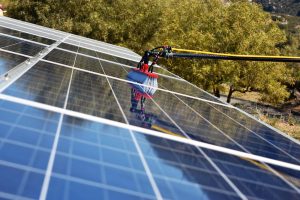 Solar energy stands as a cornerstone of sustainable living and a powerful way to significantly reduce electricity costs for both homeowners and businesses. However, to truly harness its full potential, a critical aspect often overlooked is the regular maintenance and cleaning of solar panels. While solar panels are engineered for durability and to withstand environmental elements, their peak efficiency and longevity are directly tied to their cleanliness.
The Core Reasons Why Cleanliness Matters
The importance of keeping your solar panels clean stems from several key factors, impacting efficiency, finances, and the lifespan of your solar system:
-
Optimizing Energy Efficiency
Solar panels convert sunlight into electricity using photovoltaic (PV) cells. The more sunlight these cells can absorb, the greater the energy production. When dirt, dust, pollen, leaves, bird droppings, and other environmental pollutants accumulate on the panel surfaces, they create a barrier that reduces the amount of sunlight reaching the PV cells. Even a thin layer of dust can lead to a measurable drop in efficiency. Research indicates that dirty solar panels can lose between 15% and 25% of their efficiency, depending on the level of buildup, with some studies showing a potential reduction of up to 30% of sunlight reaching the panels. One study found that 3 grams of bird droppings under dry conditions could lead to a 24.58% degradation rate in output power, which was the highest degradation among the dust types tested. Importantly, wet dust generally causes less degradation than dry dust. -
Enhancing Financial Savings
The primary motivation for many solar panel investments is to lower electricity costs. When panels operate below their expected capacity due to dirt, homes and businesses must increasingly rely on the electrical grid, directly negating anticipated energy savings. For instance, a system designed to produce 500 kWh per month could produce only 400 kWh if it loses 20% efficiency from dirt, requiring the purchase of an additional 100 kWh from the utility company. Over time, this inefficiency can accumulate to hundreds or even thousands of dollars in lost savings. Regular cleaning ensures panels generate the expected amount of power, maximizing cost savings and return on investment (ROI). -
Extending System Lifespan and Preventing Damage
Solar panels are a long-term investment, typically designed to last 25 to 30 years. However, their longevity heavily relies on proper maintenance. Accumulated debris can lead to significant issues like the “hot spot” effect, where covered sections of a panel absorb more heat than clean areas. This localized overheating causes thermal stress, degrading the photovoltaic cells and shortening the overall lifespan of the panels. Furthermore, certain corrosive substances like bird droppings or industrial pollutants can damage protective coatings and compromise structural integrity if left unchecked. Moisture trapped by debris can also cause corrosion over time. Keeping panels clean prevents wear and tear, safeguarding your investment for decades. -
Maximizing Environmental Benefits
Solar energy is an environmentally responsible choice that reduces reliance on fossil fuels and lowers carbon emissions. However, if panels are not operating at peak efficiency, their environmental benefits diminish. Clean panels generate more renewable energy, reducing the need for power from non-renewable sources and thus fewer carbon emissions from traditional energy production. Inefficient solar panels might even lead to the need for more installations to meet energy goals, causing unnecessary resource consumption. Clean panels ensure that existing solar infrastructure operates at its full potential, contributing significantly to water conservation compared to traditional power plants which require millions of gallons of water for cooling.
Common Sources of Solar Panel Contamination
Understanding what causes panels to get dirty can help in planning maintenance. Key culprits include:
- Dust and Dirt: Prevalent in dry, windy regions or near construction sites and unpaved roads.
- Bird Droppings: Can entirely block sunlight in concentrated areas and cause significant long-term damage.
- Pollen and Leaves: Seasonal buildup and fallen leaves can form a grime layer and attract moisture, potentially leading to mold.
- Air Pollution and Smog: Fine particles from vehicle emissions and industrial activity can create a tenacious film.
- Rainwater Streaks: While rain helps, it often leaves behind mineral deposits that can harden over time.
Best Practices for Solar Panel Cleaning
Maintaining clean solar panels involves both proper frequency and effective techniques.
-
Cleaning Frequency:
Generally, experts recommend cleaning solar panels at least twice a year, often once in spring and once in fall. Some suggest 2-4 times annually. However, the exact frequency varies based on location, climate, and environmental factors. Panels in dusty areas, regions with high pollen or frequent bird activity, or near construction sites may require quarterly or more frequent cleaning. While natural rainfall helps wash away some debris, it is often not sufficient to completely clean the panels and can leave mineral deposits. -
Cleaning Techniques:
- Safety First: Always turn off your solar system before cleaning to prevent electrical hazards. If panels are on a roof or difficult to access, consider hiring professionals for safety.
- Timing: Clean panels when they are cool, ideally in the early morning or late evening, to avoid cracking the glass from sudden temperature changes and preventing streaks from rapid evaporation. Avoid cleaning in full sun.
- Tools: Use soft cleaning tools such as a soft sponge, microfiber cloth, or soft-bristled brush to avoid scratching the panel surface. A squeegee can help dry the surface and prevent water spots. Avoid abrasive brushes or harsh pads.
- Cleaning Solutions: A mixture of water and mild soap is usually sufficient. Specialized solar panel cleaners or vinegar can also be used. However, avoid harsh chemicals, abrasive cleaners, or acidic solutions like lemon, orange, vinegar, or antibacterial soaps, as these can degrade the protective anti-glare coating on solar panels.
- Rinsing: Use a garden hose with low water pressure to rinse off loose dirt initially and then to remove soap residue after scrubbing. Do not use a high-pressure washer, as the force can damage the panels.
- Drying: You can gently dry panels with a clean, soft towel or squeegee, or allow them to air dry.
- Coatings: Applying water-repellent (hydrophobic) coatings can help prevent dirt from sticking, reducing the frequency of cleaning needed.
DIY vs. Professional Cleaning
While DIY cleaning can save money and offer convenience, it also comes with considerations. Professional services offer deep cleaning, specialized equipment, expertise in identifying faults, and eliminate safety risks, though they are more expensive (potentially up to $200 annually for a 6kW system). It’s recommended to hire professionals for large installations, hard-to-reach panels, or for system inspections, especially concerning wiring and electrical components, to avoid damage or accidents.
Conclusion
Keeping your solar panels clean is not just about aesthetics; it’s a fundamental aspect of protecting your investment and maximizing its long-term benefits. By integrating a regular cleaning schedule into your maintenance routine, you ensure optimal energy output, extend the lifespan of your system, reduce electricity costs, and bolster your commitment to sustainable energy.
Think of your solar panels like a pair of glasses: just as smudged glasses hinder your vision, dirty solar panels obscure the sun’s rays, preventing them from “seeing” and absorbing light efficiently. A quick clean can make all the difference, bringing clarity and peak performance back to your vision—and your energy production.